


¿Qué se debe considerar al instalar una estantería flotante?
This guide explains how to install a floating wall shelf safely, starting with identifying your wall type - concrete, brick, plasterboard, or drywall - and choosing the matching fixings, including drywall anchors that need no predrilled holes. It then walks through checking the wall for cables and pipes, marking and leveling the bracket points, and attaching the fixings, brackets, and shelf.
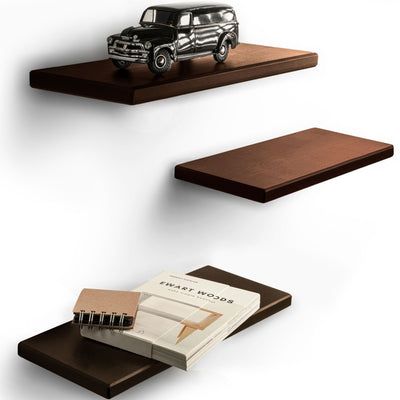
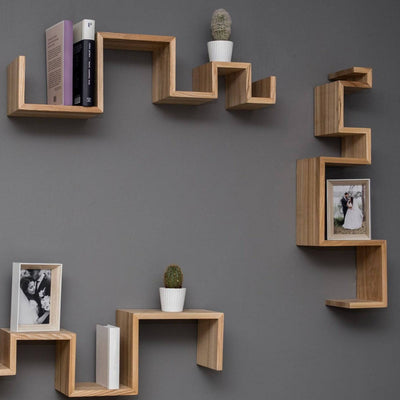
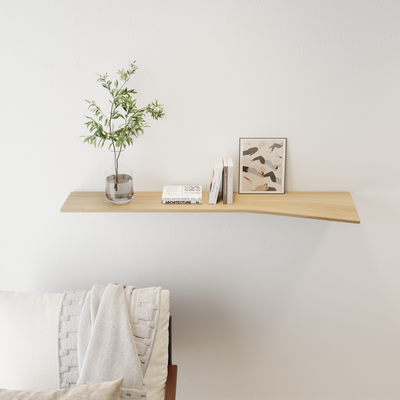
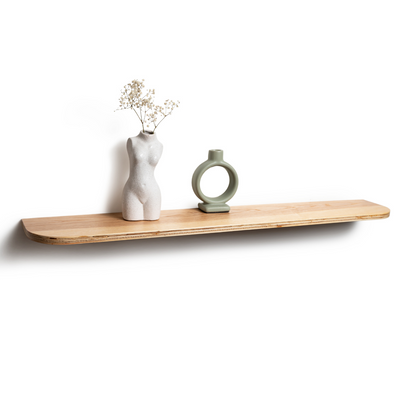
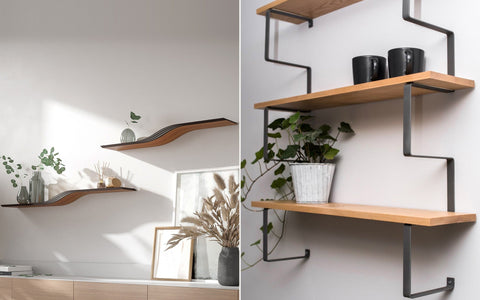
Las estanterías flotantes pueden lucir muy hermosas e interesantes en el interior del hogar. Son una excelente manera de ahorrar espacio en casa y organizar tus recuerdos. El mercado actual está lleno de diferentes tipos de estanterías flotantes en diversas formas y colores. Una vez que hayas elegido la estantería perfecta para tus necesidades, es importante saber cómo instalarla para que sea segura y funcional.
En primer lugar, es muy importante determinar qué tipo de pared tienes y dónde te gustaría instalar las estanterías. Puede ser una pared de concreto, una pared de ladrillo, yeso o panel de yeso. Es crucial entender qué tipo de pared tienes para decidir qué juego de instalación necesitarás para ensamblar correctamente la estantería. Para una pared de concreto, una pared de ladrillo o en una situación donde ya tienes montantes en la pared, el taco de pared será perfecto. Para un panel de yeso, lo mejor es buscar los montantes y colocar los soportes allí, pero no siempre es el lugar más adecuado para colgar la estantería. Pero no te preocupes, también puedes ensamblar la estantería en un panel de yeso; solo recuerda que necesitarás tacos de panel de yeso/ tacos de anclaje para que la estantería se ensamble de manera firme. Si tienes un panel de yeso, puedes comprar tacos con los que no necesitarás hacer agujeros preperforados en la pared; el taco debe atornillarse en el lugar correcto por sí mismo, atraviesa perfectamente el panel de yeso y asegura que el lugar de fijación sea resistente y seguro. ¡Y eso puede ahorrarte muchos inconvenientes también!
En segundo lugar, una vez que has identificado qué tipo de pared tienes, debes decidir dónde se instalará la estantería para lograr la mejor apariencia y funcionalidad. Es muy importante revisar la pared con un detector digital para ver si el lugar donde se instalará la estantería está libre de cables o tuberías y así evitar desastres posteriores. Una vez hecho esto, necesitas determinar a qué altura se colocará la estantería y marcar pequeños puntos en la pared que correspondan a los agujeros en tus soportes. Al hacerlo, debes verificar con un nivel de burbuja si los puntos están alineados para que la estantería quede nivelada.
A continuación, debes fijar los anclajes en la pared. Como se mencionó anteriormente, esto puede variar según el tipo de pared que tengas y los anclajes que debas usar. Para una pared de concreto, perforas los agujeros en las marcas de la pared y colocas los tacos con un martillo. Pero para un panel de yeso, atornillas el taco de panel de yeso directamente en los puntos sin hacer agujeros preperforados (si el taco está diseñado para ser instalado sin agujeros preperforados). Una vez que hayas terminado con eso, puedes atornillar los soportes y colocar la estantería, ¡y listo!
Si estás buscando hermosas floating shelf ideas, puedes encontrar algunas en www.ewartwoods.com
Products related to this article


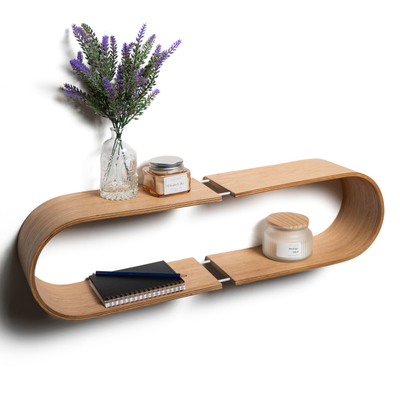
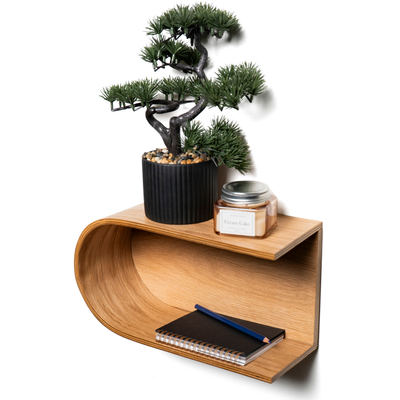

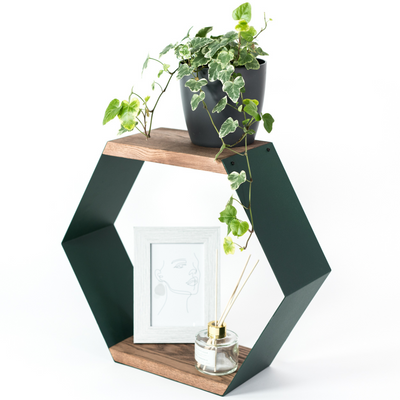
Frequently asked questions
How do I hang a floating shelf on drywall?
Ideally locate the studs and fix the supports there. If the best spot has no studs, use drywall dowels or anchor plugs — some screw directly into the wall without predrilled holes and give a sturdy, safe fixing.
What fixings do I need for a concrete or brick wall?
Standard wall plugs work perfectly. Drill holes at your marked points, tap the dowels in with a hammer, then screw on the brackets and slide the shelf into place.
Do drywall anchors need predrilled holes?
Not all of them. Self-drilling drywall dowels screw straight through the plasterboard on their own, which saves hassle and still holds the shelf securely.
How do I check the wall before drilling?
Use a digital detector to make sure the installation spot is free of electrical cables and water pipes — this step prevents serious damage.
How do I make sure a floating shelf is level?
Mark small dots on the wall corresponding to the bracket holes, then check the dots with a spirit level before drilling so the shelf hangs perfectly straight.
Why does wall type matter when installing shelves?
Concrete, brick, plasterboard, and drywall each need different fixings. Identifying your wall type first ensures you buy the right installation set and the shelf stays safe and functional.
What tools do I need to install a floating shelf?
Typically a drill, a screwdriver, a spirit level, a cable detector, and the correct dowels for your wall type. For self-drilling drywall plugs you can skip the drilling step.
Is there a video showing how to install a floating shelf?
Yes, the post includes a step-by-step floating shelf installation video, and EWART WOODS shelves come with an easy mounting system.



Can you have the shelf plan, has l may think about painting
Dejar un comentario