


Interior Design Trends for 2026: Natural Materials & Timeless Pieces
This article outlines seven interior design trends shaping homes in 2026, including natural materials, timeless furniture over short-lived trends, functional pieces that blend into interiors, calm warm color palettes, and a renewed focus on craftsmanship. It explains how solid wood pieces such as floating shelves, nightstands, coffee tables, sofa arm trays, and buffet cabinets support interiors designed to age gracefully.
Interior design in 2026 is moving in a quieter, more thoughtful direction.
Instead of chasing fast trends or constantly updating décor, people are focusing on homes that feel calm, functional, and long-lasting.
The shift is clear: natural materials, timeless furniture, and practical pieces that support everyday life are becoming the foundation of modern interiors.
This isn’t about dramatic transformations or statement interiors.
It’s about choosing fewer things — and choosing them better.
Below are the key interior design trends shaping homes in 2026, and how to apply them in a way that feels natural and future-proof.
1. Natural Materials as the Foundation of Interior Design
One of the strongest interior design trends for 2026 is the continued move toward natural materials. Homes are becoming more tactile and sensory, prioritising how a space feels — not just how it looks.
Materials like:
-
solid wood
-
stone
-
linen and cotton
-
ceramics
-
subtle metal accents
are replacing glossy, synthetic finishes.
Wood, in particular, plays a central role. It adds warmth, texture, and depth to interiors without overwhelming them. Even in minimalist spaces, wooden furniture and accessories soften sharp lines and make rooms feel more lived-in.
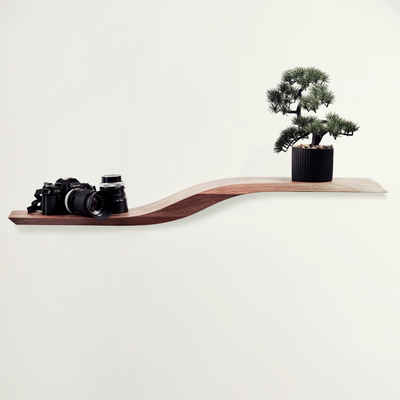
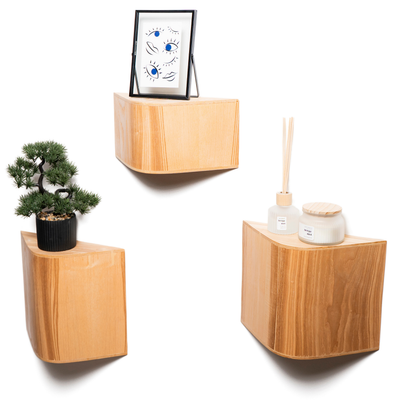
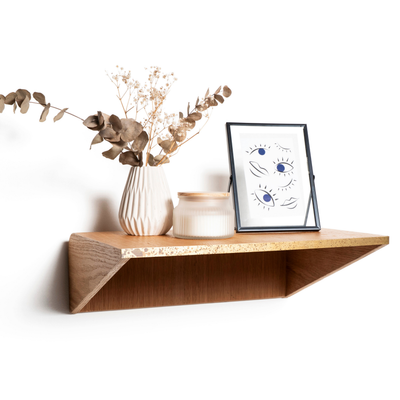
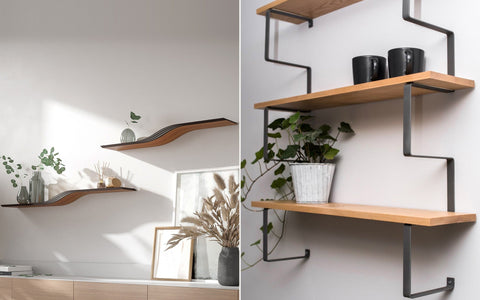
A wooden floating wall shelves, for example, doesn’t just add storage — it introduces natural texture to otherwise neutral walls. Similarly, wooden tables and cabinets ground a space visually and emotionally.

2. Timeless Design Over Short-Lived Trends
In 2026, interior design is less about what’s trending right now and more about what will still feel right years from now.
Instead of bold colors or overly decorative pieces, homeowners are choosing:
-
clean silhouettes
-
neutral palettes
-
functional forms
-
timeless materials
Furniture is expected to last — both visually and practically.
Pieces like a floating nightstand, a well-proportioned coffee table, or a simple buffet cabinet work across multiple interior styles and don’t rely on trends to feel relevant. These items adapt as the home evolves, rather than needing replacement.
Timeless design doesn’t mean plain.
It means thoughtful proportions, honest materials, and designs that don’t compete for attention.

3. Functional Furniture That Blends Into the Interior
Another key trend for 2026 is functionality that doesn’t look functional.
Storage, organisation, and everyday-use furniture are designed to blend seamlessly into interiors instead of standing out as “practical solutions.”
This shows up in:
-
floating furniture instead of bulky pieces
-
wall-mounted storage that doubles as décor
-
multifunctional items that save space
A sofa arm tray is a perfect example. It replaces the need for a side table in small living rooms while maintaining a clean, intentional look. A wooden two-step stool can function as seating, a helper for daily tasks, or even a bedside accent — without feeling utilitarian.
In 2026, furniture earns its place by being useful and visually calm.

4. Calm, Warm Color Palettes That Highlight Materials
Color trends in 2026 are designed to support materials rather than dominate them.
Expect to see:
-
warm whites
-
soft beige and sand tones
-
muted greys
-
earthy browns
-
natural wood shades
These palettes allow wood to stand out naturally. Light wood brings brightness and airiness, while darker wood adds depth and contrast.
Rather than perfectly matching finishes, interiors in 2026 mix wood tones intentionally. A coffee table in a slightly darker wood paired with lighter shelves or cabinetry creates visual interest without clutter.

5. Fewer Pieces, Higher Quality
Minimalism in 2026 isn’t about empty spaces — it’s about intentional choices.
Instead of filling rooms with decorative objects, people are investing in:
-
fewer furniture pieces
-
better craftsmanship
-
durable materials
-
long-term functionality
A well-made buffet cabinet replaces multiple storage units. A sturdy shelf removes the need for additional furniture. A thoughtfully designed nightstand eliminates clutter rather than adding to it.
This approach results in homes that feel organised, calm, and personal — not staged.

6. Craftsmanship and Authenticity Matter More Than Ever
Another defining interior design trend for 2026 is a renewed appreciation for craftsmanship.
People want to know:
-
how furniture is made
-
what materials are used
-
whether a piece feels honest and well-constructed
Wooden furniture and accessories naturally align with this shift. Visible grain, solid construction, and natural aging give pieces character and depth that mass-produced items often lack.
Instead of hiding materials, design in 2026 celebrates them.

7. Interiors That Age Gracefully
Perhaps the most important trend shaping interiors in 2026 is the idea that a home should look better over time — not worse.
Wood develops patina.
Edges soften.
Surfaces gain character.
Rather than replacing furniture when it shows signs of use, people are embracing wear as part of the home’s story. Timeless wooden pieces support this mindset because they evolve alongside daily life.
A floating shelf, a table, or a stool doesn’t become outdated — it becomes familiar.

How EWART WOODS Fits Interior Design Trends for 2026
EWART WOODS designs align naturally with the direction interior design is taking in 2026.
By focusing on:
-
natural wood materials
-
clean, timeless forms
-
functional design
-
long-term use
EWART WOODS creates pieces that work across changing interiors and changing lifestyles.
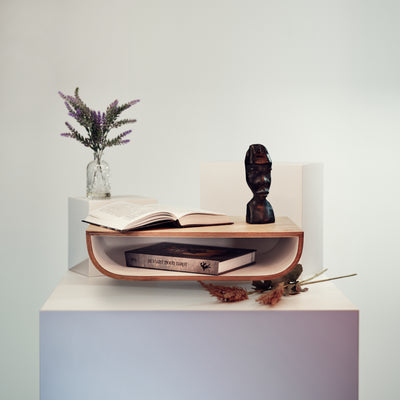
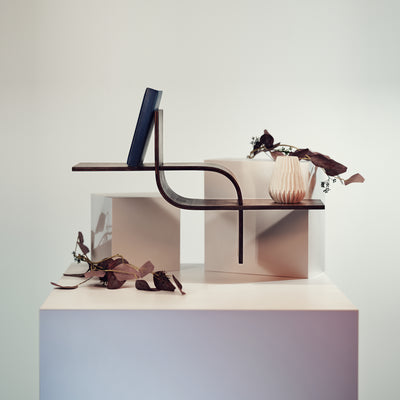
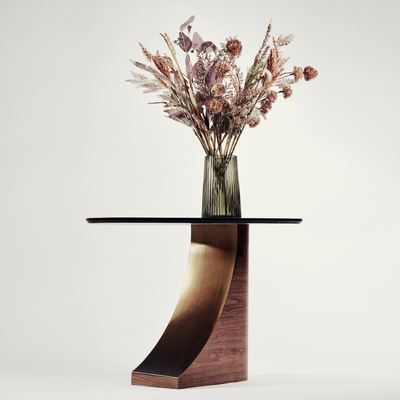
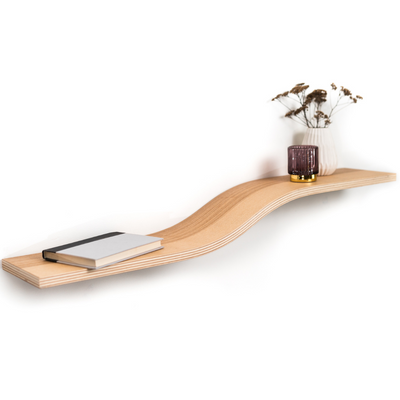
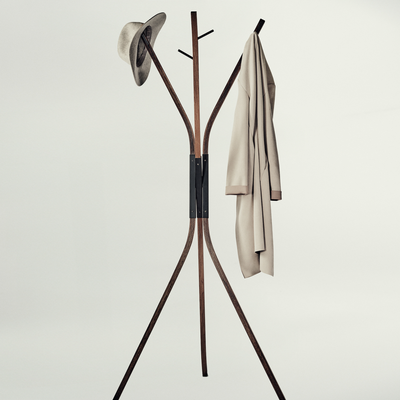
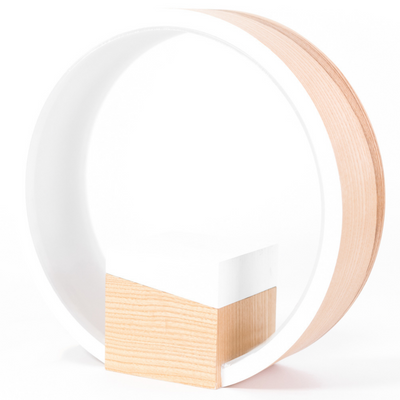
Products like wooden floating wall shelves, floating nightstands, coffee tables, sofa arm trays, wooden two-step stools, and buffet cabinets fit seamlessly into modern homes that value calm, balance, and durability.
These are not trend pieces — they are foundational elements that remain relevant as trends evolve.
Interior design in 2026 is less about impressing and more about living well.
Natural materials, timeless furniture, and practical pieces are shaping homes that feel grounded, functional, and personal. Wood plays a central role in this shift — not because it’s fashionable, but because it’s honest, adaptable, and enduring.
Instead of chasing trends, the interiors of 2026 are built on pieces that stay.
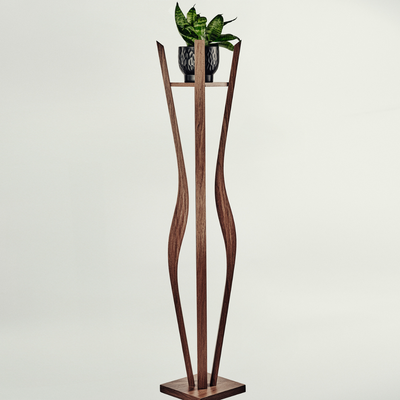
Products related to this article
Frequently asked questions
What are the interior design trends for 2026?
Interiors in 2026 are moving toward natural materials, timeless furniture, functional pieces that blend in, calm warm color palettes, fewer but higher-quality items, visible craftsmanship, and homes designed to age gracefully. The focus is on choosing fewer things and choosing them better.
What materials are trending in home interiors in 2026?
Solid wood, stone, linen and cotton, ceramics, and subtle metal accents are replacing glossy synthetic finishes. Wood plays the central role because it adds warmth, texture, and depth without overwhelming a space.
What colors are popular for interiors in 2026?
Warm whites, soft beige and sand tones, muted greys, earthy browns, and natural wood shades. These palettes are designed to support natural materials rather than dominate them.
Is wood furniture still in style in 2026?
Yes. Wood is central to 2026 interiors because it is honest, adaptable, and enduring. It develops patina over time, so wooden furniture becomes more characterful rather than outdated.
Can you mix different wood tones in one room?
Yes. Rather than perfectly matching finishes, 2026 interiors mix wood tones intentionally, for example a slightly darker coffee table paired with lighter shelves or cabinetry to create visual interest without clutter.
What does timeless furniture design mean?
Timeless design means clean silhouettes, neutral palettes, functional forms, and honest materials, with thoughtful proportions that work across multiple interior styles. Pieces like a floating nightstand or simple buffet cabinet stay relevant as trends change.
How can I add function to a small living room without clutter?
Choose functional furniture that does not look utilitarian, such as floating wall-mounted pieces, a wooden sofa arm tray that replaces a side table, or a two-step stool that doubles as seating and a bedside accent.
Where can I buy furniture that fits 2026 interior trends?
EWART WOODS makes handmade wooden floating shelves, nightstands, coffee tables, sofa arm trays, step stools, and buffet cabinets in Europe from natural wood and metal, with free shipping. These are foundational pieces designed to remain relevant as trends evolve.


Leave a comment